
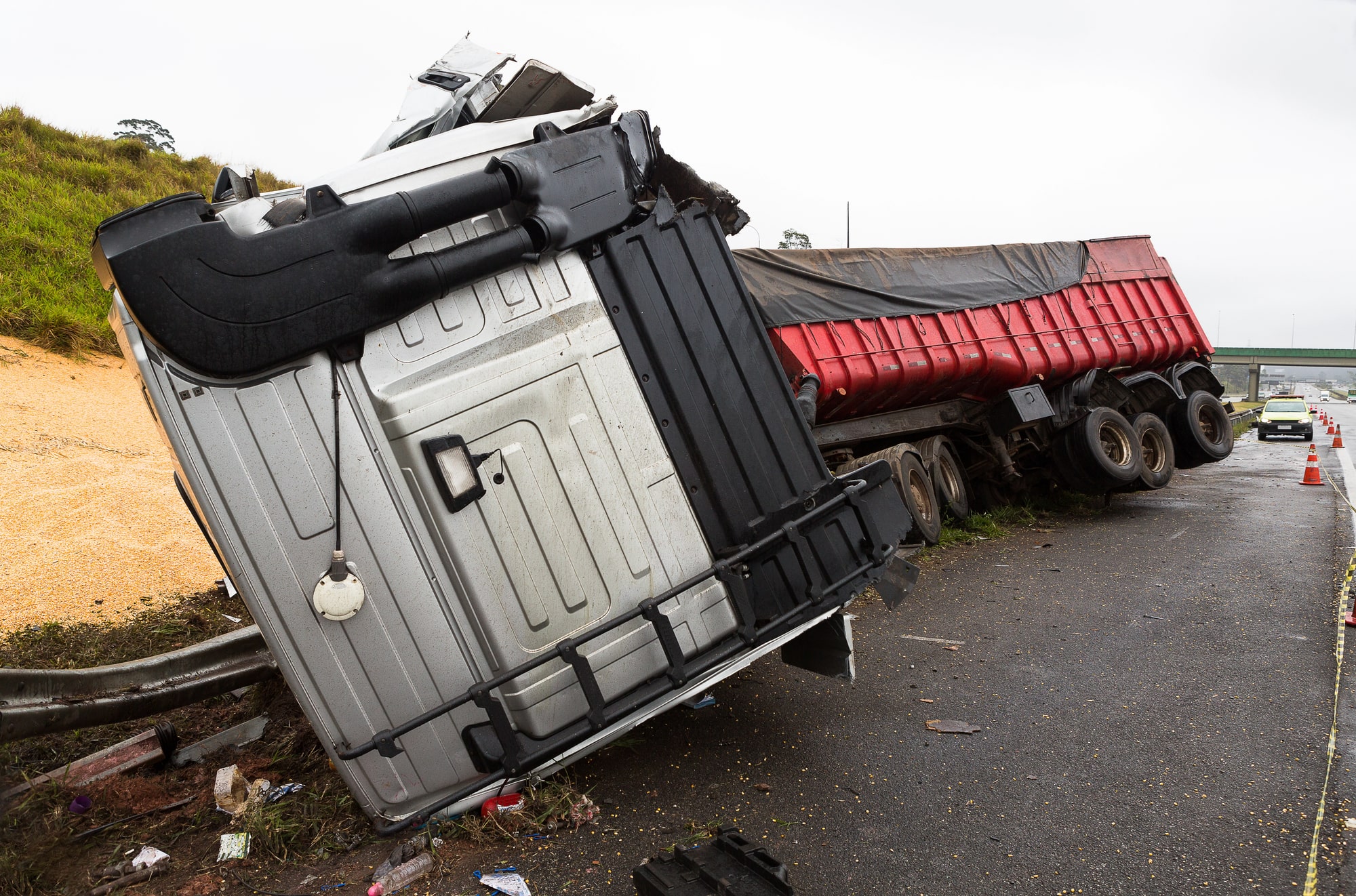
When A truck hits you, everything changes. The medical bills start coming. You can’t work. Recovery takes months, sometimes longer. Then you find out the driver was an independent contractor, not an actual employee. Does that mean the trucking company gets to walk away? Not necessarily.
The Independent Contractor Label Doesn’t Tell The Whole Story
Trucking companies love classifying drivers as independent contractors instead of employees. It saves them money on benefits, insurance, and workers’ compensation. But here’s what matters for your case: the label itself doesn’t automatically protect them from liability. New Jersey courts don’t just accept whatever classification a company slaps on someone. They look at the actual relationship. How much control did the company have? What did the day-to-day work look like? The answers to these questions matter more than what the contract says.
When You Can Go After The Trucking Company
A Bergen County truck accident lawyer knows how to identify when a company shares responsibility for your injuries. Several legal paths exist, even when the driver isn’t technically an employee.
The Control Factor
If the trucking company was calling the shots, they can’t hide behind contractor status. Courts examine how much control the company really had over the driver’s work. Sometimes what looks like an independent contractor relationship on paper functions like traditional employment in practice. Signs that a company maintained substantial control include:
- Mandatory delivery schedules and predetermined routes
- Required use of company trucks or branded equipment
- Detailed instructions about how to make deliveries
- Regular monitoring of driver performance and location
- Restrictions preventing drivers from working for competitors
The more boxes you can check, the stronger your argument that this wasn’t really an independent contractor situation.
They Hired Someone Dangerous
Companies can’t just hand the keys to anyone with a pulse. They have a responsibility to check who they’re working with. Did the trucking company verify the driver’s safety record? Check for proper licensing? Look into past accidents or violations? If they didn’t bother with basic vetting, that’s negligent hiring. If they knew about a driver’s dangerous history and kept working with them anyway, that’s negligent retention. Either way, you’ve got a claim.
Some Duties Can’t Be Outsourced
Transportation companies have certain responsibilities they can’t shift to someone else, no matter how they structure the relationship. Vehicle safety. Regulatory compliance. These obligations stick with the company.
Federal Rules Apply To Everyone
The trucking industry operates under strict federal oversight. The FMCSA regulations set safety standards that companies must follow regardless of how they classify their drivers. Vehicle maintenance requirements don’t disappear because someone’s a contractor. Neither do driver qualification standards nor limits on how many hours someone can be behind the wheel. When companies lease equipment to independent contractors, they still need to ensure federal safety compliance. That includes verifying commercial licenses and checking safety records. You can’t just hand over the keys and hope for the best.
Building Your Case Takes Work
Proving a trucking company’s liability requires digging into the details. A Bergen County truck accident lawyer will examine the contract between the company and driver, pull maintenance records, investigate hiring practices, and review all communications between the parties. Strong evidence includes dispatch records showing detailed marching orders, training materials the company provided, proof of who owned the equipment, and documentation of ongoing supervision. When companies treat their “independent contractors” like employees, they create legal exposure. Your attorney’s job is to find that evidence.
Why You Shouldn’t Go This Alone
Trucking companies carry big insurance policies. They have legal teams whose entire job is minimizing payouts. They’ll argue that contractor status means they’re off the hook. Without experienced representation on your side, you’re fighting at a serious disadvantage. Insurance adjusters push for quick settlements. They want you to sign before you fully understand your injuries or what compensation you deserve. Companies will try shifting all blame to the driver while denying any responsibility themselves.
Don’t let a contractor classification stop you from pursuing fair compensation. The relationship between driver and company often tells a different story than what’s written in the contract. Kantrowitz, Goldhamer, Graifman, Perlmutter & Carballo, P.C. handles complex truck accident cases throughout New Jersey and knows how to hold companies accountable when they try to dodge responsibility. Reach out to discuss your situation and learn what legal options you have for recovery.